You Never See the Sun Where It Actually Is — Only Where It Was 8 Minutes Ago
Light takes time to travel, so every glance into space is a glance into the past. The night sky shows stars as they were years, even millennia, ago.
Today’s hidden fact · Sunday, August 9, 2026
Voyager 1 is over 24 billion km away, so far its radio signal takes 22+ hours to arrive, sent by a transmitter weaker than a refrigerator bulb.
A football-field-sized lab, falling around Earth at 8 km every second.
Shenzhou 23 Zhu Yangzhu · Zhang Zhiyuan · Lai Ka-ying
Soyuz MS-29 Pyotr Dubrov · Anna Kikina · Anil Menon
Crew-13 Dragon Jessica Watkins · Luke Delaney · Joshua Kutryk · Sergey Teteryatnikov
2017 UX7

NASA Science
"Happy New Year!" No, wait, this is not a fireworks display. This image shows Nebula Pa 30, observed with the Gemini North Telescope in Hawai'i. It is likely the remnant of an old supernova explosion: separate historical records by Chinese, Japanese and Arabic…
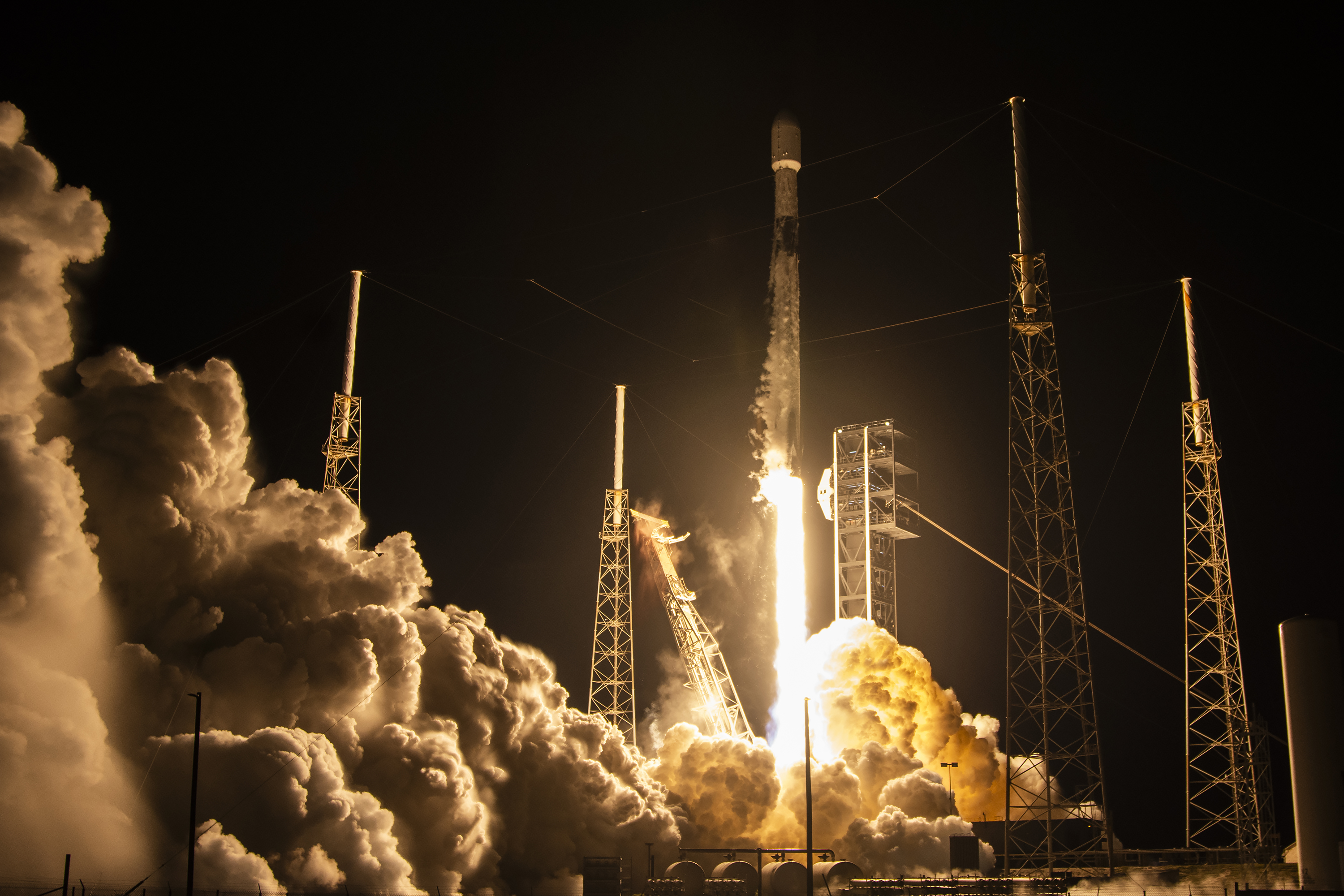
Falcon 9 Block 5 | Bandwagon 5 (Dedicated Mid-Inclination Rideshare)
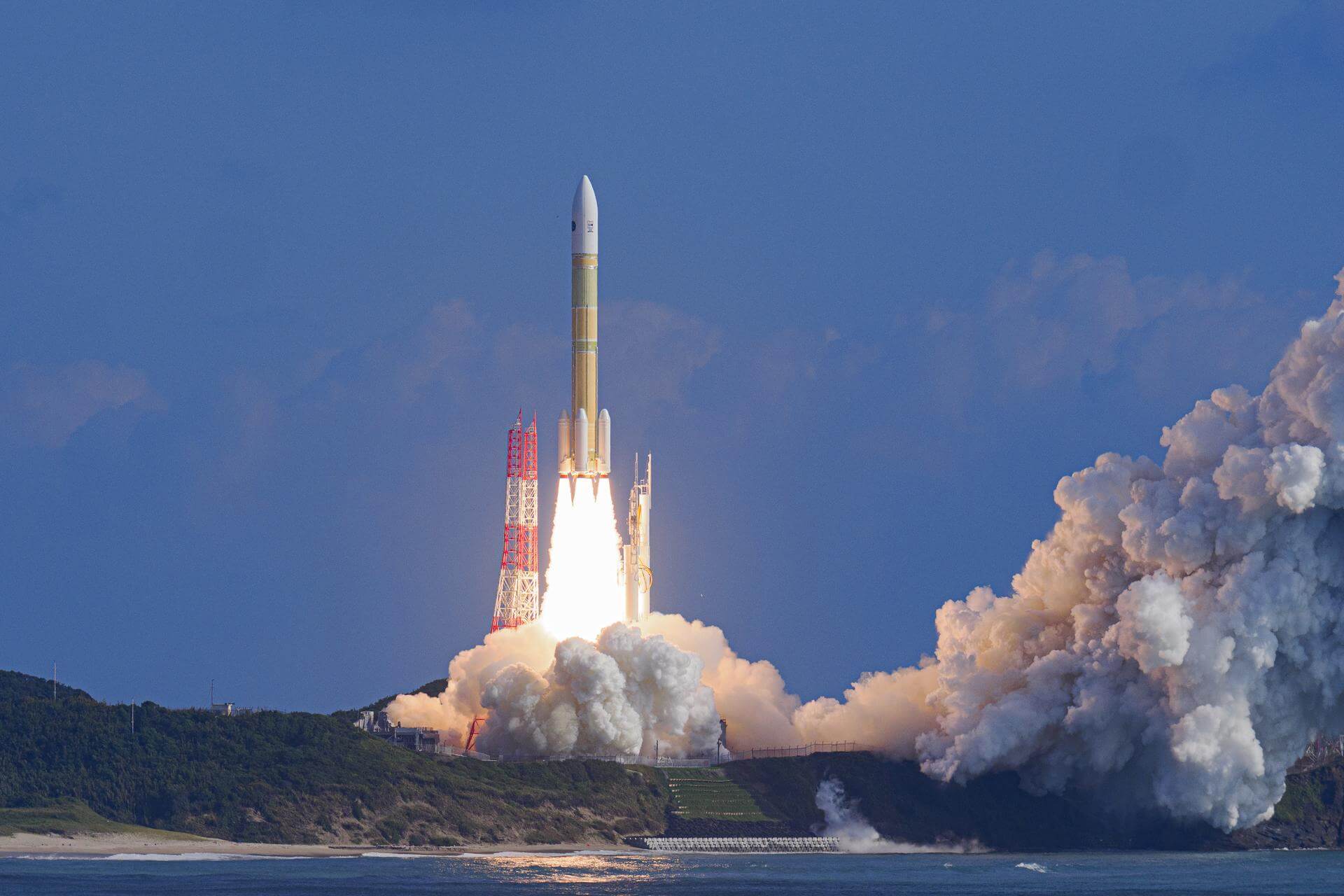
H3-24 | Martian Moons eXploration (MMX)

Falcon 9 Block 5 | Starlink Group 15-15
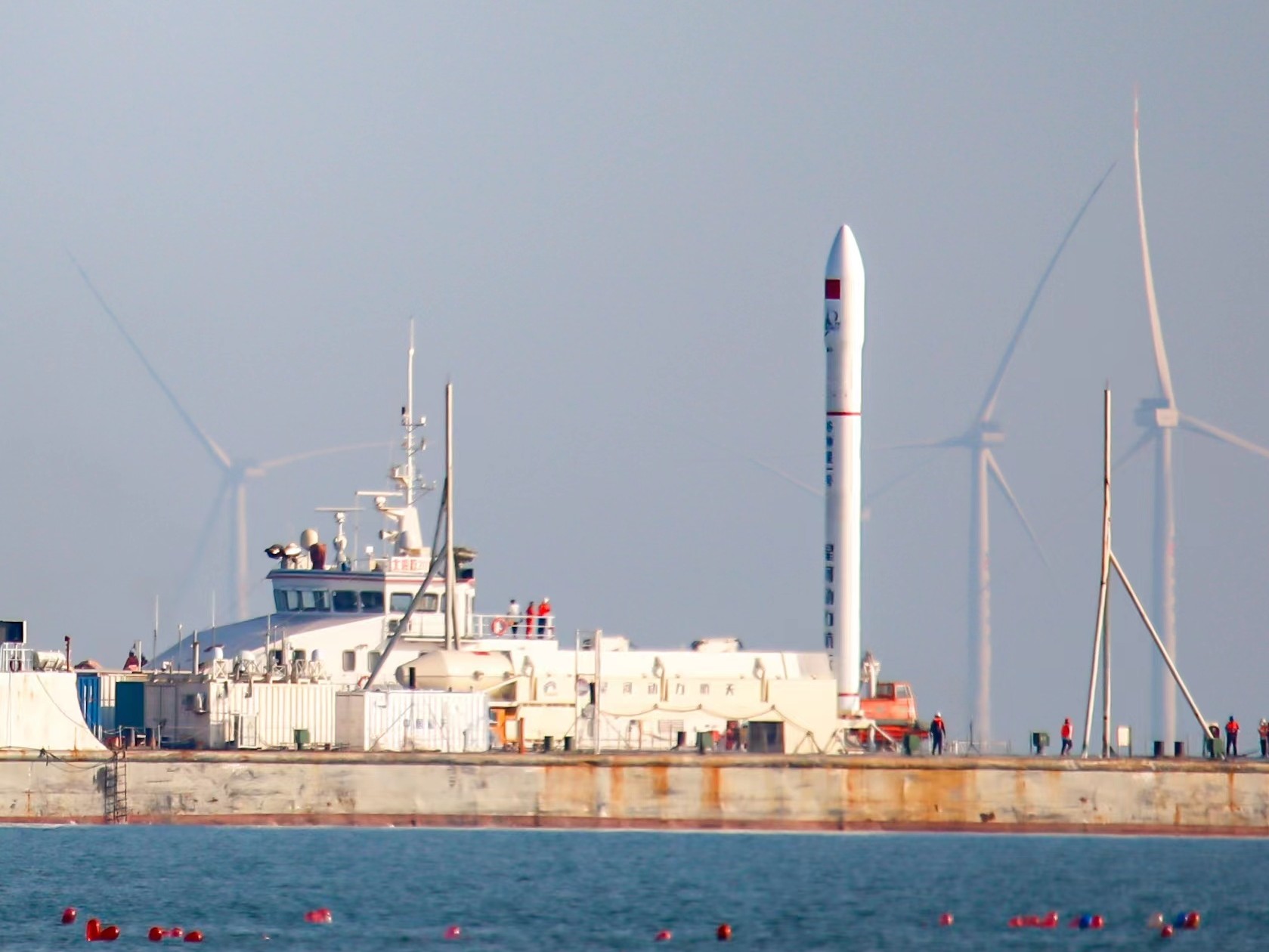
Ceres-1S | Unknown Payload
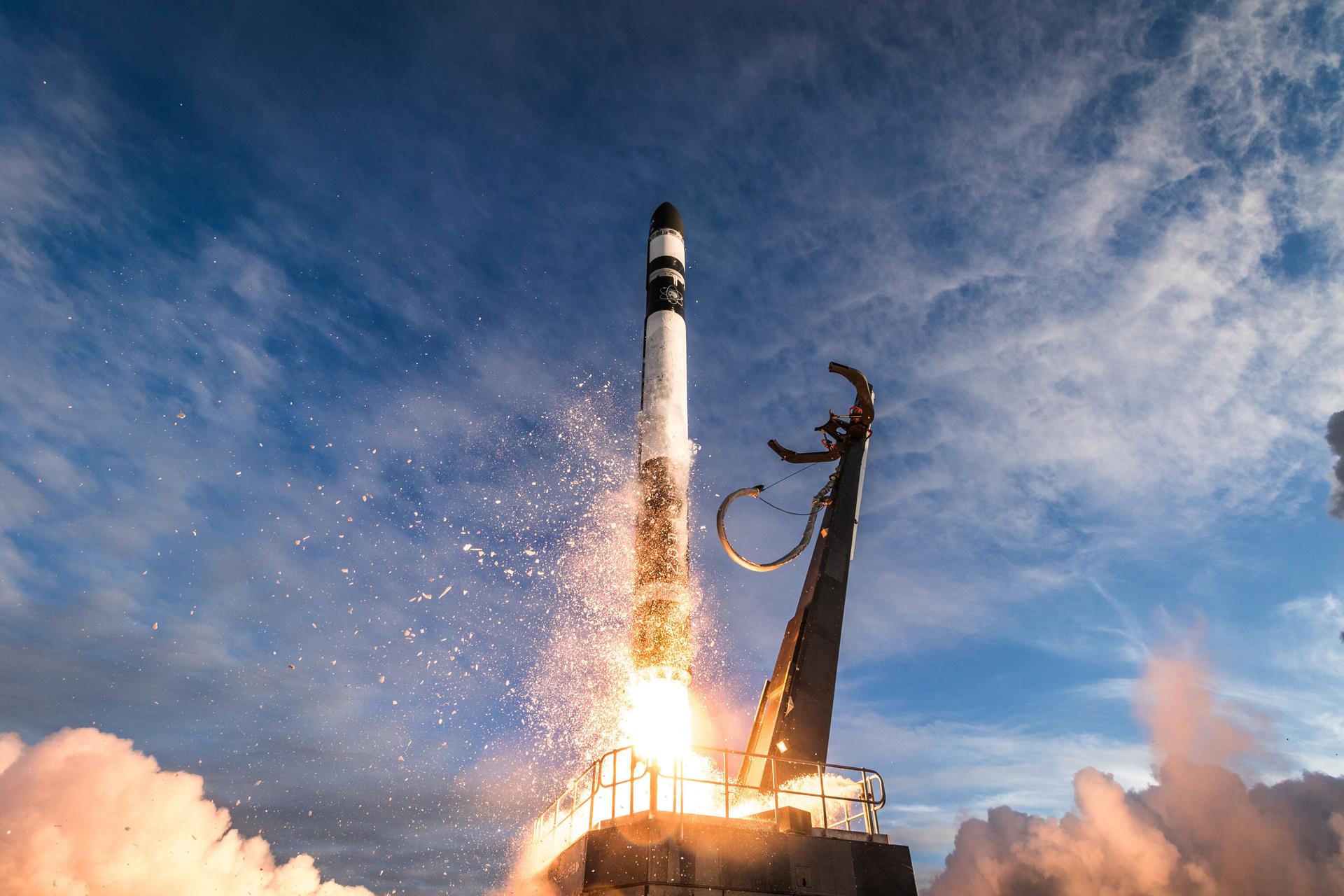
Electron | We're Not Hawking Around (3x HawkEye 360)
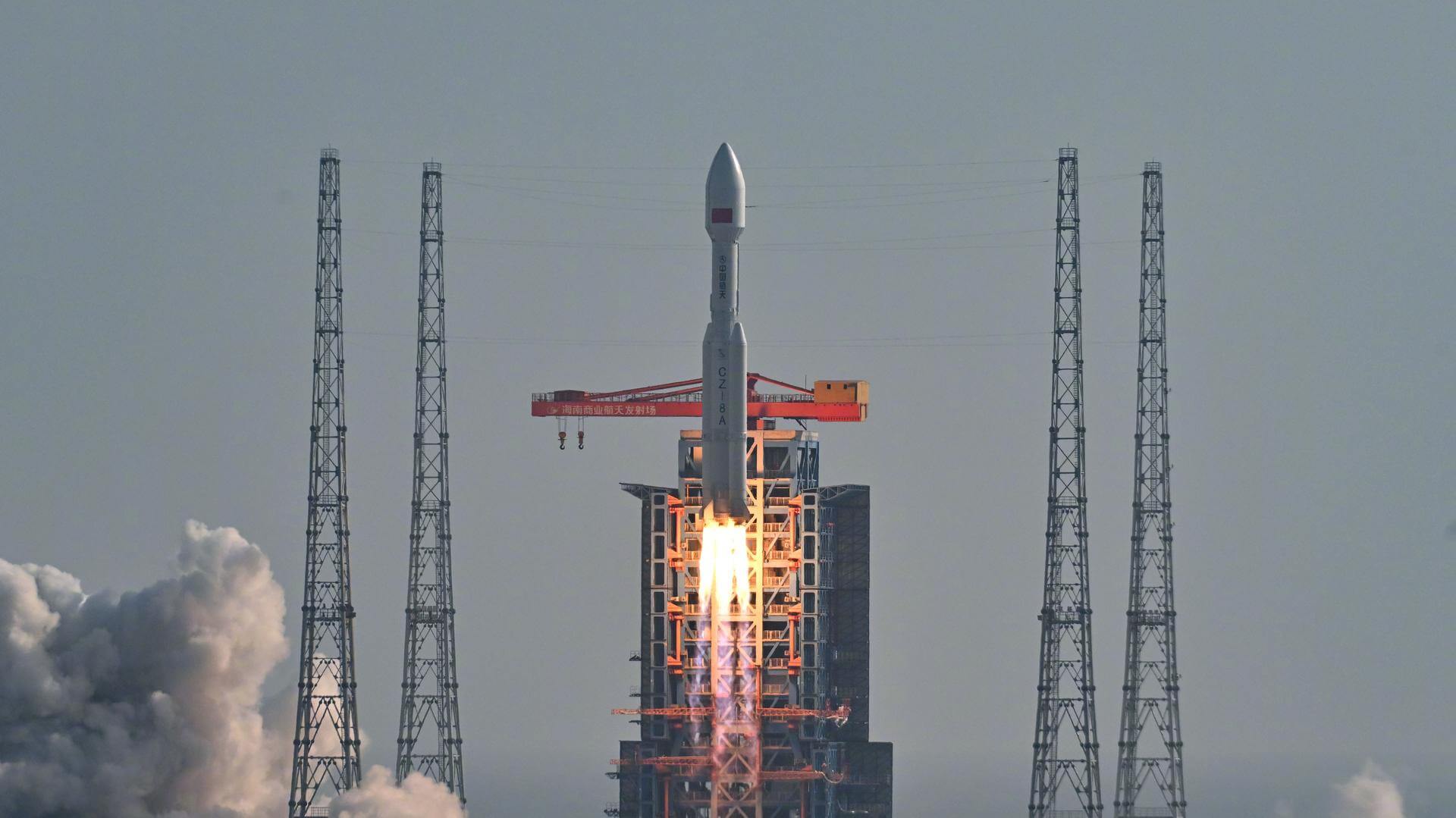
Long March 8A | Unknown Payload
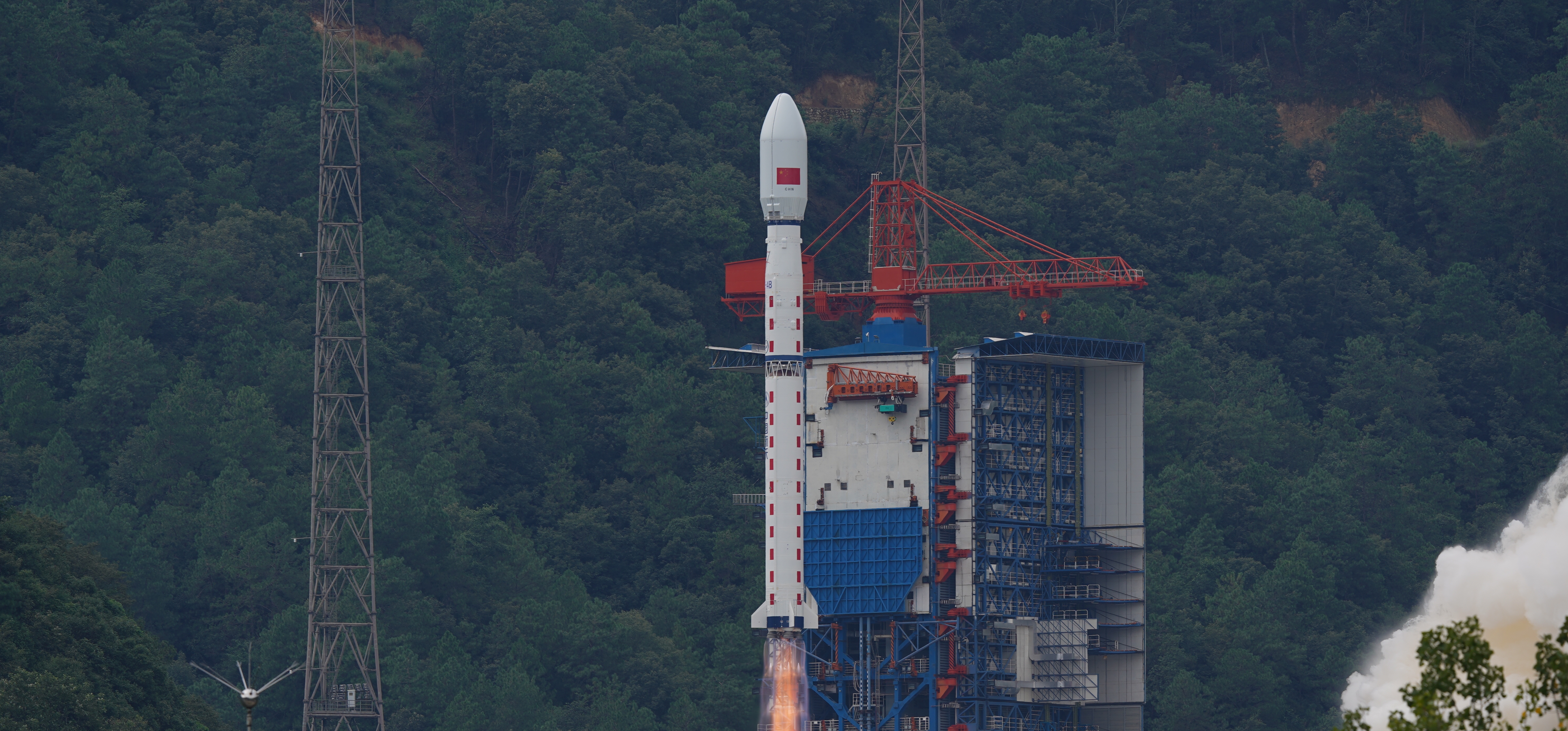
Long March 4B | Unknown Payload
Falcon 9 Block 5 | Starlink Group 15-16
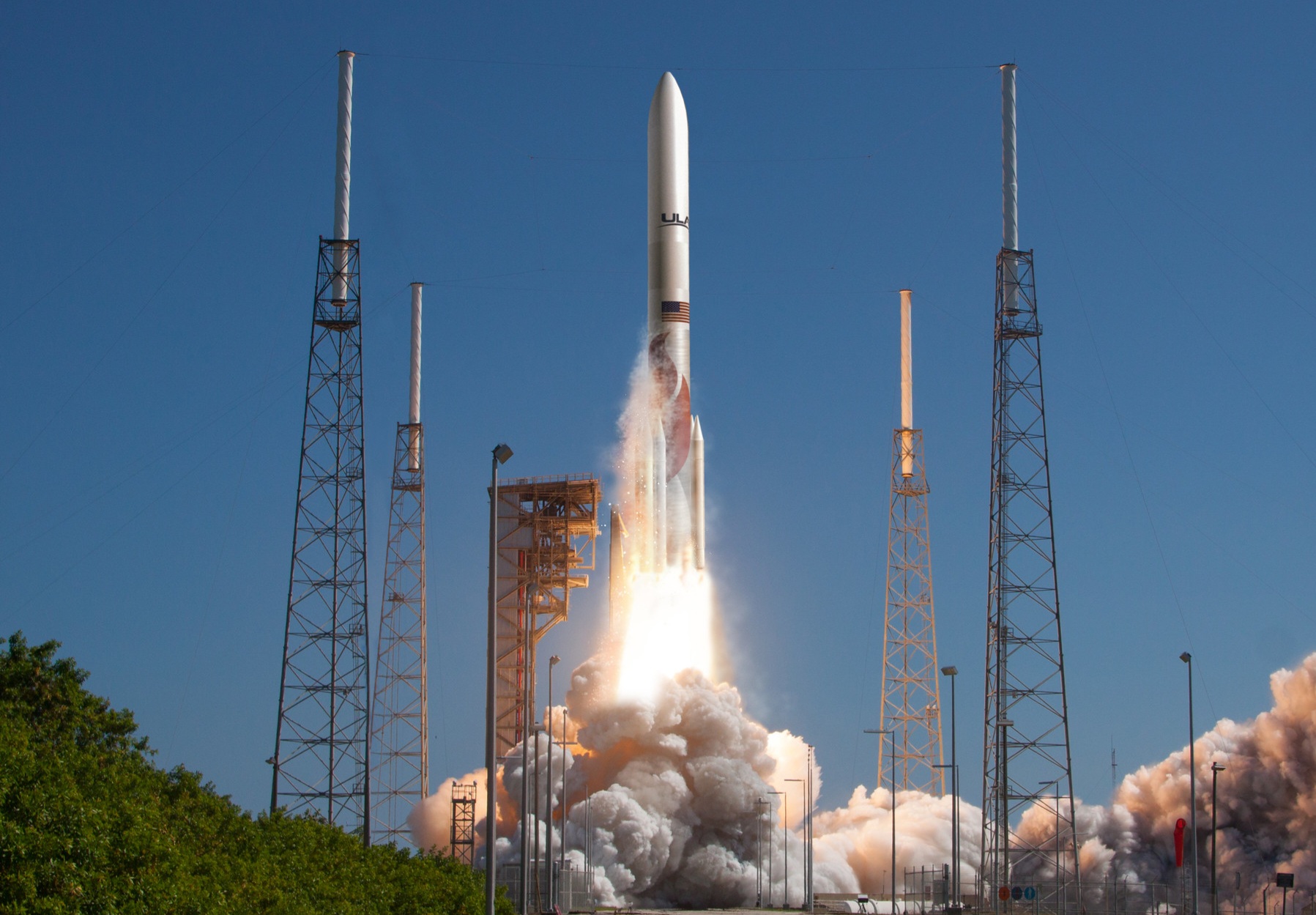
Vulcan VC6L | Amazon Leo (LV-01)
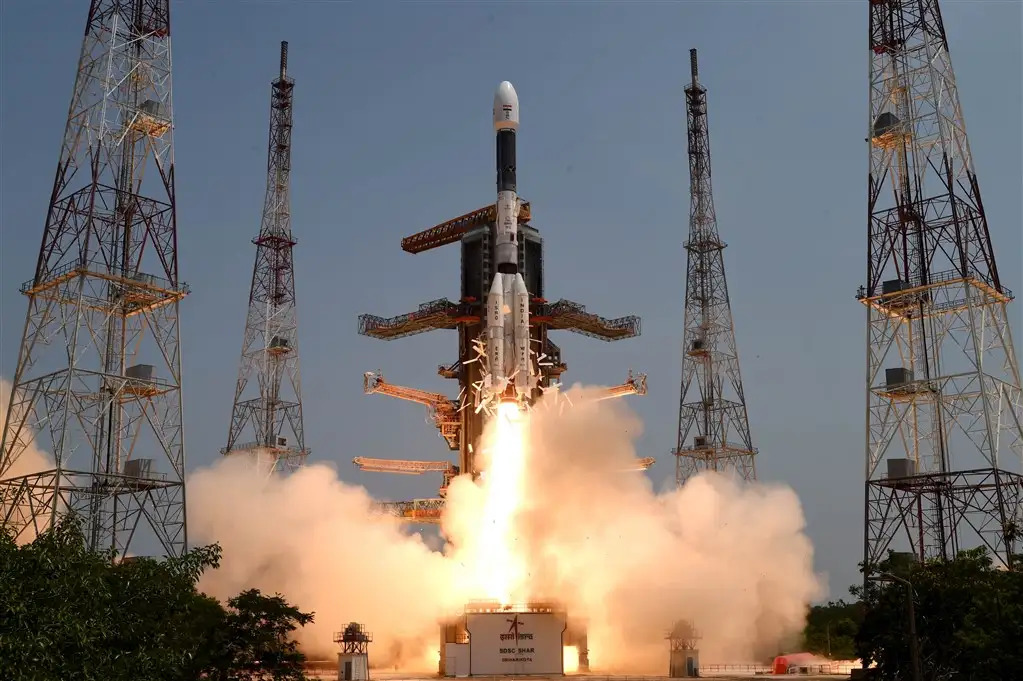
GSLV Mk II | IRNSS-1L (NVS-03)
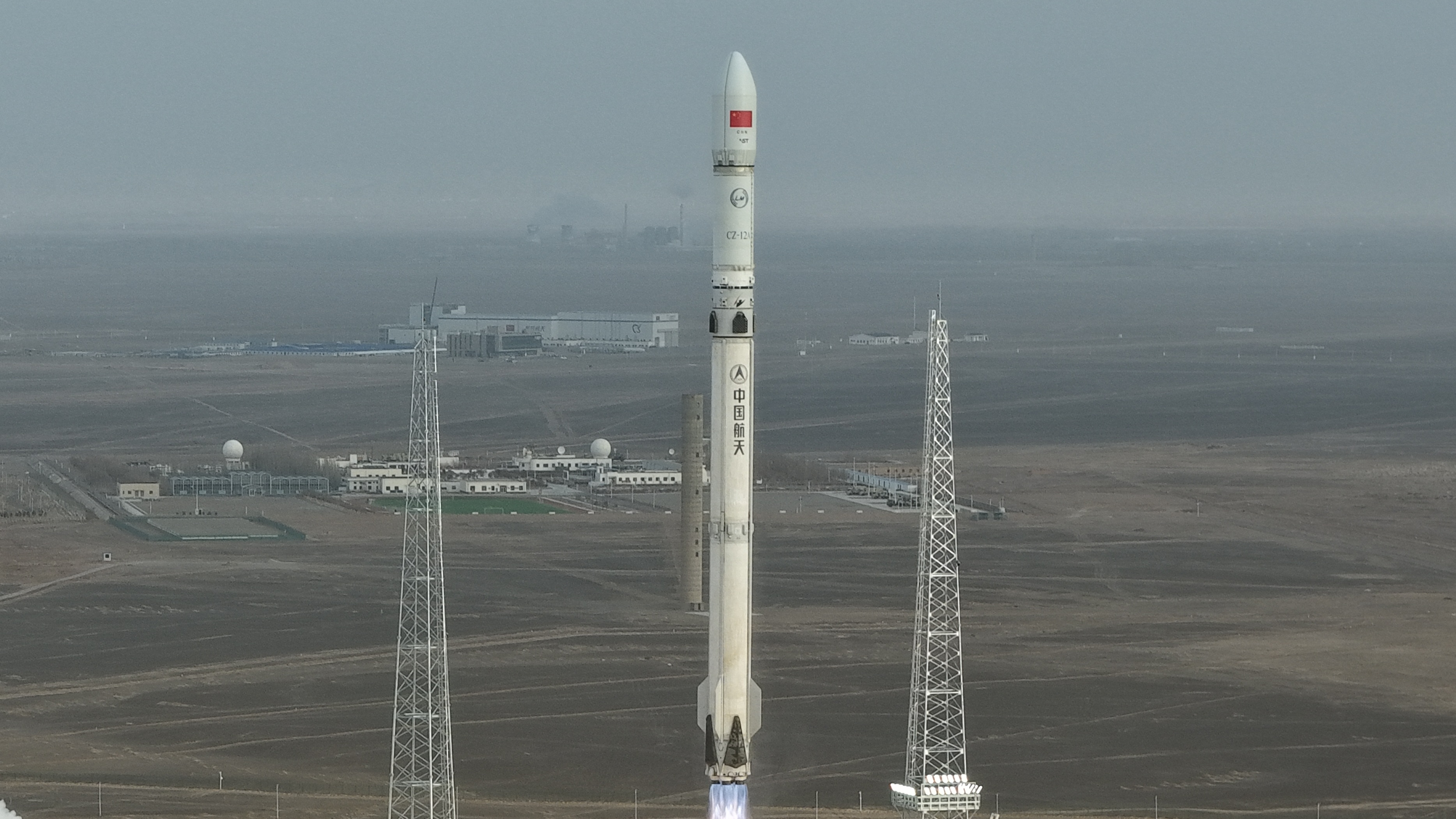
Long March 12A | Flight 2
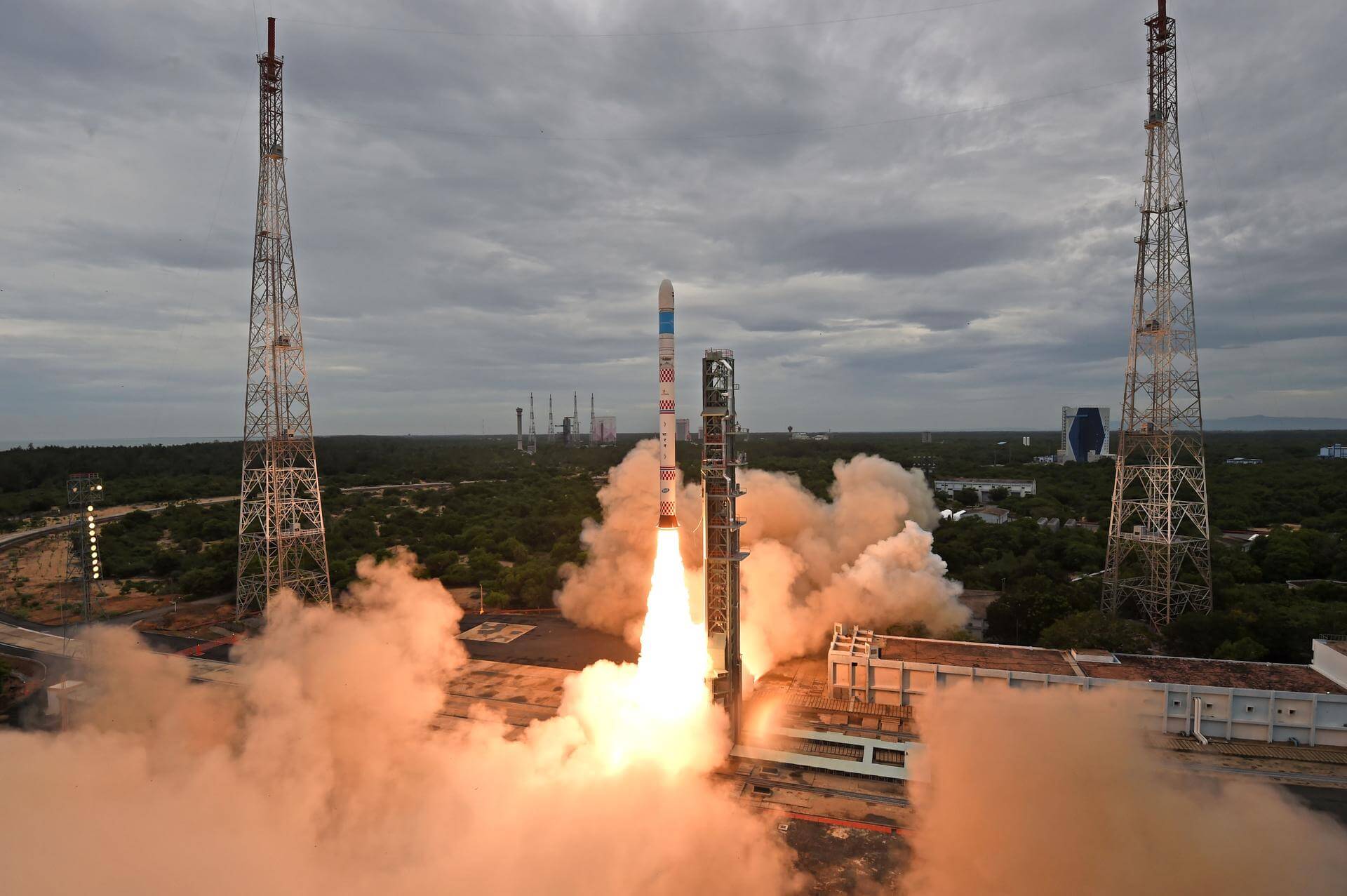
SSLV | AayulSAT-1A & others
Electron | The Sea God Surveys (iQPS Launch 9)
Electron | The Mountain God Rises (iQPS Launch 10)
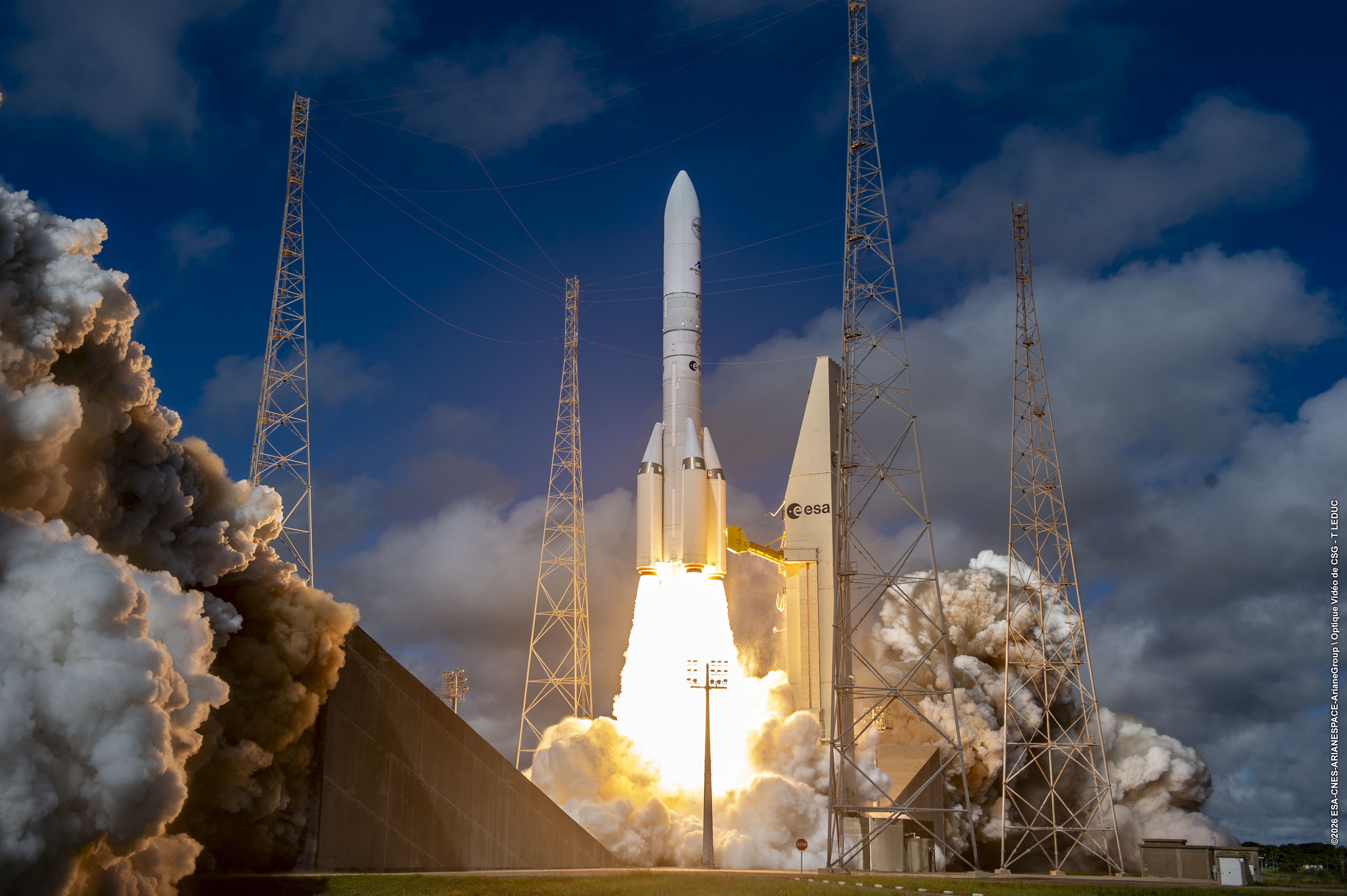
Ariane 64 Block 2 | Amazon Leo (LE-04)
2017 UX7
2000 SZ162
679786 2020 QG3watched by NASA
2020 QG3watched by NASA
2005 VS
2019 UO5

ESA · today
Earth from Space: West Antarctica
From the ESA Blogs.…
NASA · today
APOD: 2026 October 16 – Chasing the International Space Station
NASA · today
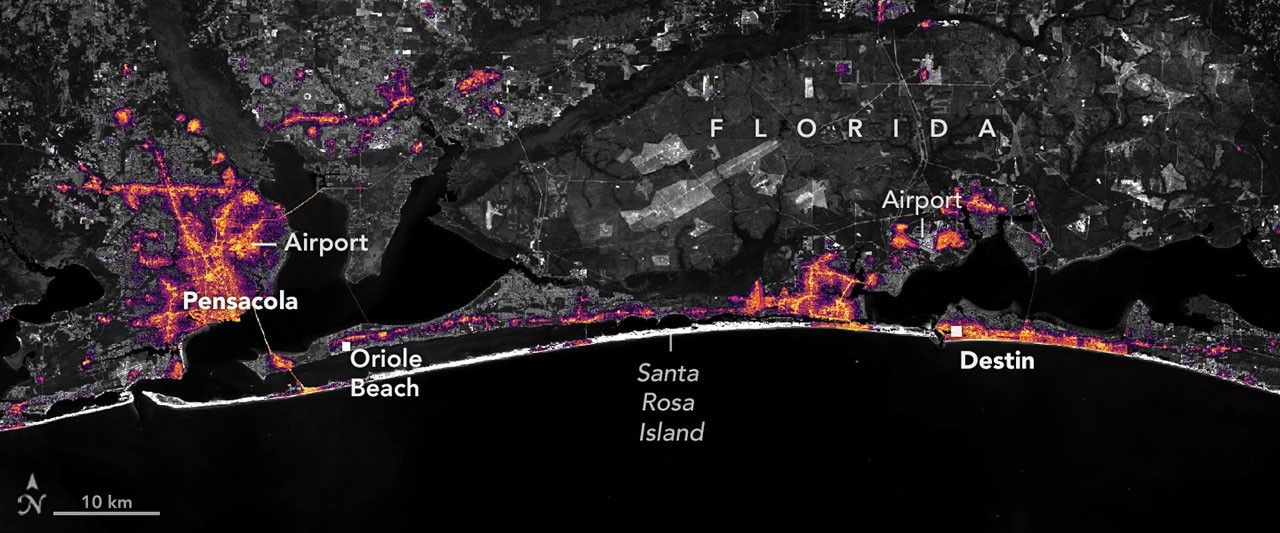
Isaias Dims the Gulf Coast

NASASpaceflight · today
Carbon Fibre Troubles Force Rocket Lab to Delay Neutron Debut to No Earlier Than 2027
SpacePolicyOnline.com · today
JAXA’S MMX Mars Mission Readies for Launch with Two NASA Instruments

SpaceNews · today
Oct. 29: Applying AI to the GEOINT Mission
NASA · today
NASA to Help Unlock Mysteries of Mars’ Moons in Upcoming Mission
Scroll from your rooftop to the edge of the observable universe. Every stop is real.
Begin the voyage →The real solar system, computed from orbital mechanics. Scrub time and watch the maths.
Run the simulation →Five questions, one round a day, same for the whole planet. Build your streak.
Play today's round →Put Earth next to the Sun. Then next to a black hole. Watch your brain give up.
Compare anything →Black hole, light-year, quasar — every space term, explained like a human.
Learn the language →Light takes time to travel, so every glance into space is a glance into the past. The night sky shows stars as they were years, even millennia, ago.
In 2015 we caught two black holes colliding a billion light-years away, wobbling spacetime by less than the width of a proton. Einstein predicted it a century earlier.
The Carrington Event made auroras glow over the tropics and shocked telegraph operators. A repeat today could cripple power grids and satellites worldwide.